Have you ever wondered how a simple dish could whisper stories of ancient lands, or how solitude might season your life with deeper meaning? Enter the world of Çbiri, a gem from Turkish culinary heritage that blends succulent flavors with a profound sense of mindful solitude.
This multifaceted tradition, rooted in Anatolia’s rolling hills, invites you to explore not just recipes but a way of being. As both a hearty meal and a philosophical practice, Çbiri connects generations through aromatic marinades and moments of quiet reflection. For food enthusiasts and home cooks drawn to international cuisine, it offers a bridge to cultural wellness, where every bite tells a tale of resilience and identity.
The Origins of Çbiri
Picture the sun-drenched landscapes of ancient Anatolia, where nomadic tribes gathered around fires, sharing stories woven into their meals. Çbiri traces its roots to these early civilizations, emerging in oral traditions and artifacts that highlight transformation and inner strength. Often linked to Turkish and Balkan regions, it embodies a philosophy of balance and community, passed down through family kitchens and folklore.
In Turkish culture, Çbiri holds deep significance, symbolizing patience and wisdom. It’s more than food; it’s culinary symbolism, where ingredients like lamb and spices represent life’s layers. Think of it as food as storytelling: each element, from garlic’s sharpness to cumin’s warmth, mirrors the human experience of growth amid solitude.
Over centuries, Çbiri has evolved, adapting to migrations and trade routes along the Mediterranean. Its dual nature, as a dish and a concept, reflects Anatolian tradition, where meals foster connections yet encourage personal introspection. Today, it reminds us of cultural identity in a fast-paced world, blending heritage with modern mindfulness.
Çbiri as a Culinary Delight
At its heart, Çbiri is a succulent Turkish meat dish, often featuring tender lamb meatballs infused with Mediterranean spice blends. The slow-cooking techniques allow flavors to meld, creating a comforting aroma that fills the kitchen like a warm embrace.
Imagine ground lamb mixed with fresh herbs, garlic, and onions, shaped into balls and simmered gently. This method, handed down through ancestral recipes, ensures juiciness and depth. For many, preparing Çbiri feels like uncovering a family secret, where the act of mixing spices becomes a ritual of connection.
To bring this into your home, start with the basics. Here’s a simple table comparing key components of the traditional recipe:
| Ingredient | Quantity | Role in Dish |
|---|---|---|
| Ground lamb | 1 lb | Provides rich, savory base |
| Onion (grated) | 1 medium | Adds moisture and subtle sweetness |
| Garlic (minced) | 2 cloves | Infuses aromatic depth |
| Fresh mint and parsley (chopped) | 1/4 cup each | Brings freshness and herbal notes |
| Cumin and coriander | 1 tsp each | Layers warm, earthy spices |
| Egg | 1 | Binds the mixture |
| Breadcrumbs | 1/2 cup | Helps achieve tender texture |
Mix these together, form into balls, and cook slowly in a savory sauce of tomatoes and herbs. Serve with rice or bread to soak up the juices. The result? A dish that transports you to ancient feasts, yet fits seamlessly into a weeknight dinner.
Vegetarian Variations: Çbiri Chickpea Stew
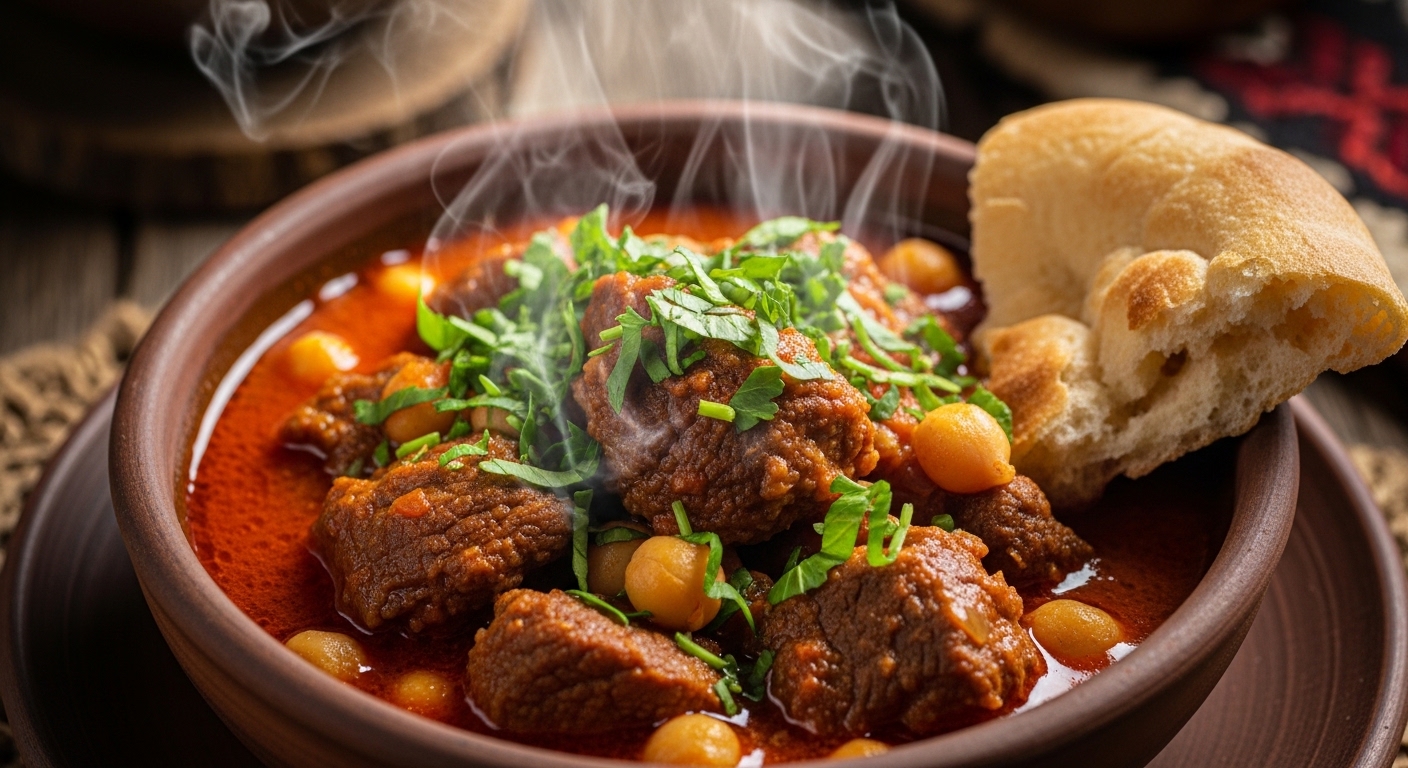
For those embracing plant-based options, Çbiri shines in its vegetarian form: a hearty chickpea stew that captures the essence of Anatolian tradition without meat. Chickpeas, simmered with onions, garlic, and a medley of spices, create a creamy, satisfying meal that’s both nourishing and symbolic of mindful living.
This version honors the original’s slow-cooking techniques while adapting to modern diets. The chickpeas absorb the flavors, turning golden and tender, much like how solitude nurtures personal growth.
Try this easy recipe: Sauté onions and garlic in olive oil, add paprika and cumin, then stir in chickpeas, tomatoes, and vegetable stock. Simmer for 30 minutes, and finish with fresh herbs. It’s versatile; add spinach for greens or dates for a subtle sweetness.
Here’s a quick comparison of meat vs. vegetarian Çbiri:
| Aspect | Lamb Meatball Çbiri | Chickpea Stew Çbiri |
|---|---|---|
| Protein Source | Ground lamb | Chickpeas |
| Cooking Time | 45 minutes | 30 minutes |
| Flavor Profile | Rich, savory | Earthy, comforting |
| Dietary Fit | Omnivore | Vegan/vegetarian |
| Health Boost | Iron from meat | Fiber from legumes |
This adaptation keeps the cultural identity intact, proving Çbiri’s flexibility for today’s kitchens.
Health Benefits of Çbiri Spices
Beyond taste, Çbiri’s spices offer a treasure trove of wellness perks, rooted in Mediterranean and Turkish culinary heritage. Research suggests these blends support digestion, reduce inflammation, and boost overall vitality.
Cumin, a staple, aids gut health and may lower cholesterol. Coriander brings antioxidants, fighting free radicals for better skin and immunity. Garlic, with its allicin compound, supports heart health and has antimicrobial properties. Together, they create aromatic marinades that not only flavor but heal.
For mindful solitude enthusiasts, incorporating these spices into teas or meals enhances focus and reduces stress. It’s like nature’s pharmacy in your pantry, aligning cultural wellness with modern science.
The Philosophical Side: Çbiri and Mindful Solitude
Shift gears from the stove to the soul: Çbiri also embodies mindful solitude, a practice of embracing aloneness for self-reflection and growth. In Turkish lore, it represents inner dignity and spiritual isolation, a chosen path to wisdom.
This concept ties back to ancient rituals, where solitude built resilience. Today, it counters our connected world, offering space for personal renewal. Like slow-cooking Çbiri, mindful solitude simmers thoughts, revealing deeper insights.
Practicing Çbiri for Personal Growth
Ready to try? Practicing Çbiri for personal growth starts with simple steps. Begin in a quiet space: sip a spiced tea (think cumin and mint) while journaling thoughts. Focus on breath, visualizing transformation.
Take nature walks, embracing solitude to foster self-awareness. Combine with yoga or meditation for balance. Over time, this builds emotional resilience, turning alone time into a source of strength.
- Start small: 10 minutes daily.
- Use symbols: Hold a small artifact during reflection.
- Track progress: Note insights in a diary.
This practice, like Çbiri’s recipes, nurtures from within.
Modern Twists on Çbiri Cuisine
Çbiri isn’t stuck in the past; contemporary chefs add flair, like quinoa-infused stews or grilled skewers with yogurt marinades. These updates honor traditions while appealing to health-conscious eaters.
Try a fusion: Çbiri salad with pomegranate dressing, or plant-based meatballs using lentils. Restaurants now feature these on menus, blending old and new for exciting meals.
Such innovations keep Çbiri relevant, inviting experimentation in your kitchen.
Why Çbiri Matters Today
In our busy lives, Çbiri reminds us to slow down. It bridges ancient heritage with modern practicality, offering comfort through food and clarity through solitude. For those seeking cultural wellness, it’s a gentle nudge toward mindful living.
Whether you’re a home cook exploring international cuisine or someone craving personal growth, Çbiri enriches both plate and spirit.
As you savor its layers, remember: traditions like this endure because they adapt, much like us.
Next Steps:
- Gather spices and try a recipe tonight.
- Dedicate time for solitude this week.
- Experiment with a modern twist.
- Share your Çbiri experience in the comments below!
FAQs
What is the traditional Çbiri lamb meatball recipe?
Mix ground lamb with grated onion, garlic, herbs like mint and parsley, spices such as cumin and coriander, an egg, and breadcrumbs. Form into balls and simmer in a tomato-based sauce for 45 minutes.
How have Çbiri culinary traditions evolved through the ages?
From ancient Anatolian roots in slow-cooked meats, Çbiri has adapted to include vegetarian options and modern fusions, reflecting migrations and dietary shifts while preserving core spices and symbolism.
What are the health benefits of Çbiri spices?
Spices like cumin aid digestion, garlic supports heart health, and coriander provides antioxidants, potentially reducing inflammation and boosting immunity when incorporated regularly.
What are some modern twists on Çbiri cuisine?
Contemporary versions include grilled skewers with yogurt, quinoa salads, or lentil-based meatballs, blending traditional flavors with health-focused ingredients for today’s palates.
How can I make a Çbiri vegetarian chickpea stew?
Sauté onions and garlic, add chickpeas, tomatoes, and spices like paprika and turmeric. Simmer for 30 minutes, then garnish with herbs for a hearty, plant-based meal.
How to practice Çbiri for personal growth?
Start with daily meditation using spiced tea, journal reflections, or nature walks. Focus on embracing solitude to build resilience and self-awareness.
What is the significance of Çbiri in Turkish culture?
It symbolizes resilience, community, and inner strength, linking food traditions with philosophical solitude in Anatolian heritage.