Have you ever bitten into a piece of fried squid only to be met with a texture reminiscent of a rubber band? We have all been there. It is a disappointing experience that turns what should be a delightful seafood treat into a chewing exercise. You might have the best intentions, a beautiful bag of fresh squid from the market, and a solid recipe, but something always goes wrong in the timing.
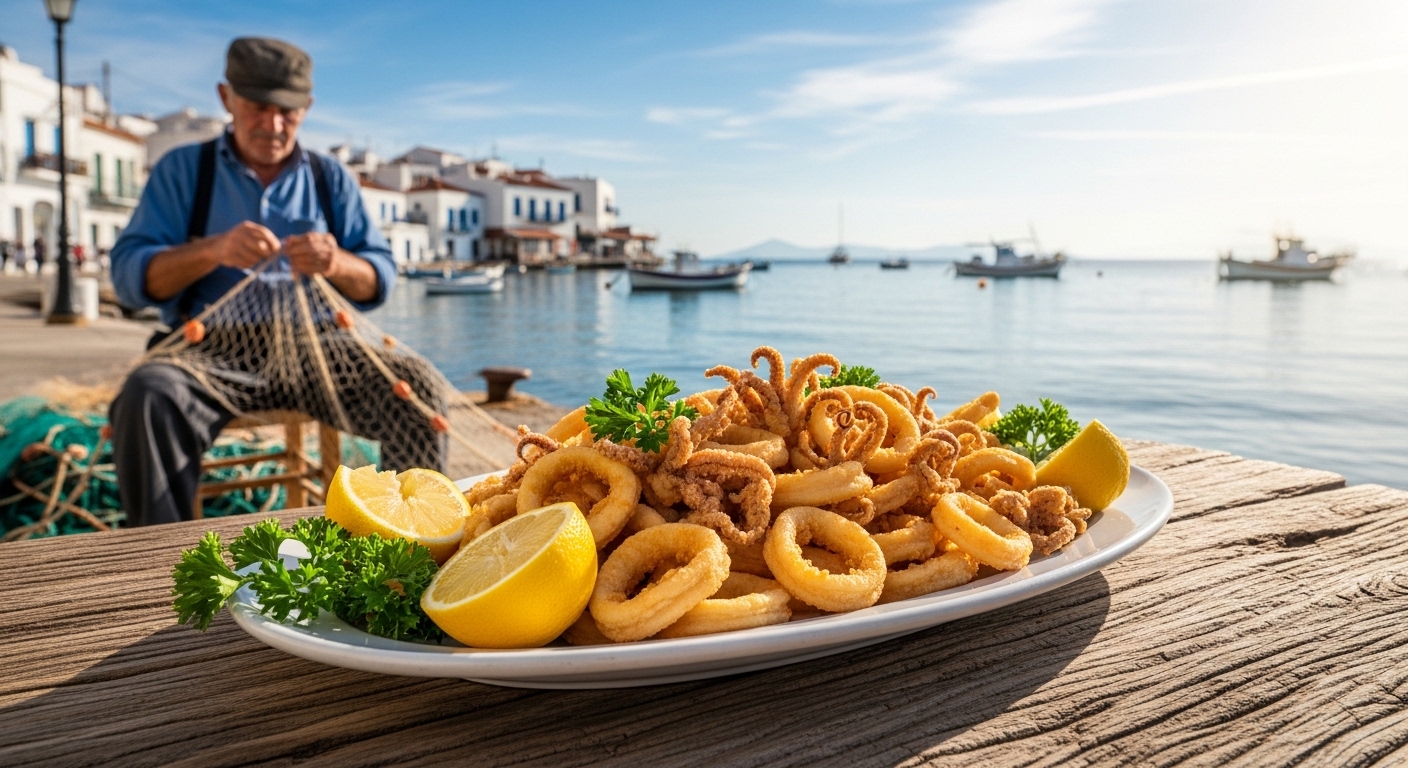
Now, imagine the opposite. Imagine a plate where each piece of squid, whether a tender ring or a delicate tentacle, is impossibly soft. The exterior is a golden, crispy shell that shatters at the slightest pressure, releasing a puff of steam that smells distinctly of the sea and warm olive oil. That, my friends, is the goal. And in the coastal kitchens of Southern Italy, there is a name for the person who has dedicated their life to achieving that perfection: the Calamariere (pronounced kah-lah-mahr-YEH-reh).
This isn’t just a recipe. It is an introduction to a philosophy. Let’s dive into the world of the Calamariere and discover how you can bring a touch of that coastal mastery into your own kitchen.
Understanding the Calamariere: More Than Just a Cook
To truly master the style, you first need to understand the title. In English, we might say “squid cook,” but that translation fails to capture the depth of the term. A Calamariere is a specialist. It is a role often found in the bustling port towns of the Amalfi Coast, Sicily, and beyond, where the daily catch dictates the menu.
This person is not just a line cook flipping rings in a fryer. They are a curator of the catch. They possess an intimate knowledge of cephalopods, from the tiny, sweet calamaretti to the larger, meatier squid destined for stuffing. They understand the science of tenderness, the art of the batter, and the precise moment when the oil is whispering, ready to receive the seafood.
Thinking like a Calamariere means shifting your perspective. You stop seeing squid as a single ingredient and start seeing it as a canvas. It is a commitment to culinary craftsmanship that respects the ingredient from the boat to the plate. This is the heart of Italian seafood traditions and the essence of the coastal cooking philosophy. It is simple, yes, but that simplicity demands perfection.
The Core Philosophy: Respect, Speed, and Simplicity
The Calamariere way can be broken down into three fundamental pillars. If you keep these in mind, you are already halfway to a perfect dish.
- Uncompromising Respect for the Ingredient: This starts at the source. A true Calamariere champions sustainable seafood sourcing. They know which squid are in season and which waters provide the best catch. They handle the squid with care, knowing that rough treatment can bruise the delicate flesh.
- The Tyranny of Speed: Squid is the ultimate test of timing. You have two options: cook it for less than two minutes, or cook it for over thirty minutes. Anything in between, and you are left with rubber. The Calamariere respects this binary reality. For fried squid (calamari rings), the dance with the hot oil is a matter of seconds. For a slow-braised dish, it is a patient simmer until the flesh relaxes into buttery tenderness.
- The Beauty of Simplicity: Mediterranean cuisine is famous for letting high-quality ingredients speak for themselves. The Calamariere style is no different. The flavor enhancers are few: good olive oil, a clove of garlic, a sprinkle of chili flake, a splash of white wine, a squeeze of lemon. The goal is to highlight the natural umami flavor profile of the squid, not to mask it.
Practical Tips for the Home Calamariere
So, how do you translate this philosophy into action in your own kitchen? It is easier than you might think. Here are the essential techniques and tips to cook tender calamariere every time.
Selecting Your Squid: Fresh or Frozen?
This is a common point of confusion. Many people believe fresh is always better. While fresh, never-frozen squid is a treasure, high-quality frozen squid can often be a better choice for the home cook, especially for frying.
- Fresh Squid: Look for clear, bright eyes and firm, moist flesh. It should smell like the ocean, not fishy or ammonia-like. The skin should be intact and iridescent.
- Frozen Squid: The flash-freezing process, often done directly on the boat, can actually help tenderize the squid by disrupting the muscle fibers. If you are using frozen, thaw it slowly in the refrigerator overnight.
The Art of Preparation: Cleaning and Tenderizing
Once you have your squid, proper preparation is key. If your fishmonger hasn’t already done it, here is the simple process.
- Separate: Gently pull the head and tentacles away from the body tube. The innards should come out with the head.
- Clean the Tube: Reach inside the tube and pull out the transparent quill (the pen). Rinse the tube inside and out under cold water. You can peel off the spotted purple skin if you prefer a pristine white look, though leaving it on adds flavor.
- Prepare the Tentacles: Cut the tentacles just above the eyes. Discard the head and innards. Feel around the center of the tentacles for the hard beak (like a little piece of plastic) and squeeze it out and discard it.
- Tenderize (Optional but Effective): For an extra guarantee of tenderness, especially if you are nervous about cooking, you can use a light mechanical tenderization. Place the cleaned tubes on a cutting board and gently score the inside in a crosshatch pattern with a sharp knife. Do not cut all the way through. This breaks up the muscle fibers and helps the squid curl into beautiful spirals when cooked. For tentacles, a quick, gentle pound with a meat mallet between two pieces of plastic wrap can work wonders.
The Calamariere Frying Method: Achieving the Golden Crunch
This is where the magic happens. The goal is a shatteringly crisp exterior and a tender, never-chewy interior.
The Question of Batter: A Calamariere knows that the batter is merely a vehicle for the squid. It should complement, not overwhelm.
- The Classic Flour Dusting: This is the most traditional and, in my opinion, the best method for letting the squid shine. Use fine semolina flour, regular all-purpose flour, or a mix of both. The key is to season the flour generously with salt and pepper. Just before frying, toss the squid in the flour, shake off the excess vigorously, and fry immediately.
- The Milk Soak Myth: You will hear people swear by soaking squid in milk or buttermilk to tenderize it. While this can add a slight richness, the true Calamariere relies on speed and fresh ingredients, not dairy baths, for texture.
The Frying Dance:
- Choose Your Oil: You need an oil with a high smoke point. This is non-negotiable. The best oil for frying calamariere is a neutral oil like peanut, canola, or vegetable oil. For an authentic flavor, you can add a small amount of olive oil to the mix, but be careful as it has a lower smoke point.
- Get the Temperature Right: Heat your oil to 350°F 365°F (175°C 185°C). If you don’t have a thermometer, drop a cube of bread into the oil. If it turns golden brown in about 60 seconds, you are ready. If the oil is not hot enough, the squid will absorb oil and become greasy. If it is too hot, the outside will burn before the inside cooks.
- Fry in Small Batches: This is crucial. Adding too much cold squid at once will drop the oil temperature drastically. Fry in small, single-layer batches. The squid needs only 60 to 90 seconds to cook. As soon as it turns a pale gold, use a spider strainer or slotted spoon to transfer it to a paper towel-lined plate.
- Season Immediately: Hit the hot, just-fried squid with a final pinch of flaky sea salt. This is the moment it transforms.
Beyond Frying: The Braised Calamariere
The Calamariere style isn’t only about fritto misto. For a healthy Mediterranean squid dish, consider a slow-braised preparation.
- In a heavy pot, sauté garlic and chili flakes in olive oil.
- Add the squid (tubes and tentacles) and cook for a minute, just until it turns opaque.
- Add a generous pour of dry white wine and let it reduce by half.
- Add a can of high-quality crushed tomatoes and a handful of fresh herbs like parsley or oregano.
- Lower the heat, cover, and let it simmer gently for 45 minutes to an hour. You will feel the squid transform from firm to impossibly tender. Serve this with crusty bread or over pasta for a truly soulful meal.
Calamariere vs. Calamari: What is the Difference?
This is a question that comes up often, and it gets to the heart of the term. You will frequently see the word “calamari” on menus, usually referring to fried squid rings. So, what is the difference between calamariere vs calamari?
Think of it this way: “Calamari” is the ingredient. It is the Italian word for squid. “Calamariere” is the craftsman and the philosophy behind preparing that ingredient at its absolute best. A plate of calamari might be good. A plate prepared alla Calamariere implies a level of care, expertise, and respect that elevates it from a simple appetizer to a culinary experience. It is the difference between someone who follows a recipe and someone who understands the soul of the ingredient.
Conclusion: Your Journey to Mastery
Mastering the Calamariere style isn’t about learning a single recipe. It is about adopting a mindset. It is about understanding that the simplest dishes are often the hardest to perfect, and that the reward for that effort is profound. The next time you have friends over for a seafood dinner, you can share not just a plate of perfectly cooked squid, but also the story of the Italian coastal masters who inspired it.
3 Actionable Steps to Start Your Calamariere Journey:
- Source with Respect: On your next trip to the market, talk to your fishmonger. Ask them where the squid came from and if it is in season. Choose the freshest or best-quality frozen squid you can find.
- Master the Heat: Invest in a simple kitchen thermometer. The next time you fry, trust the temperature, not your instincts. Fry a small test piece first. This single tool is your biggest ally against rubbery squid.
- Embrace the Binary: Decide before you cook if you are going “fast” (fried or grilled) or “slow” (braised or stewed). Commit to the timeline. If you are frying, have all your components ready and work in fast, small batches.
Now, I would love to hear from you. What is your biggest challenge when cooking seafood at home? Have you tried the slow-braise method before? Let me know in the comments below!
You May Also Like: Savoring Çbiri: A Journey Through Ancient Culinary Traditions