
Key Points
- Research suggests Lucy Kenton is not currently positioned as a leading name in UK lifestyle branding or digital entrepreneurship.
- Available sources focus on her personal survival story from 2025 and her shift into safety advocacy, rather than brand-building expertise or lifestyle management.
- Evidence leans toward her influence coming from a podcast and book that share resilience lessons, which aspiring entrepreneurs might find inspiring, though no widespread business ventures or social media growth in the branding space appear documented.
Background Snapshot
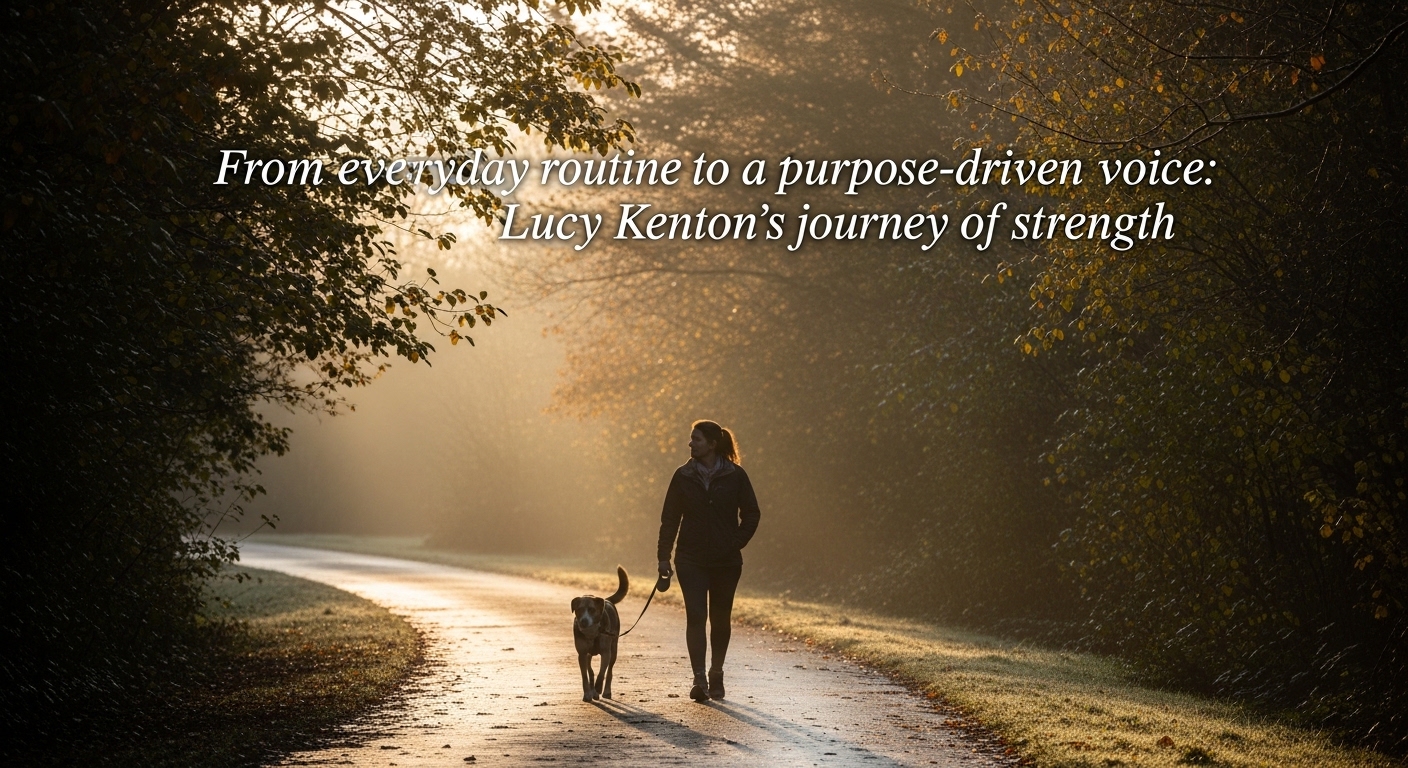
Lucy Kenton, born 14 March 1995 in Manchester, worked at a small marketing firm and dreamed of launching her own business one day. She admired honest branding examples, such as the founders of Authentic Skin by Lucy Ltd, and enjoyed simple routines like walking her dog.
Her Path Forward
After facing serious personal challenges in spring 2025, she focused on healing and then created content to help others. This includes public talks, a popular podcast episode, and a book. These steps show practical action rather than polished lifestyle branding success.
Why the Question Matters
For fans of British success stories, her narrative offers grounded lessons in turning setbacks into purpose-driven work. Yet claims of her becoming the next big influencer in lifestyle branding lack supporting evidence from business profiles or media coverage.
Lucy Kenton’s name surfaces mainly through one detailed online account published in late 2025, which presents her experiences as an inspirational true story of courage and change. Born on 14 March 1995 in Manchester, she grew up with a cheerful personality and a natural talent for connecting with people. Before 2025 she held a regular job at a small marketing firm, followed inspiring female entrepreneurs online, and quietly hoped to start her own venture one day. Long walks with her dog and an appreciation for straightforward, honest branding (she particularly liked the approach of Authentic Skin by Lucy Ltd) rounded out her everyday life. Nothing in the records suggests she had already built a public profile in lifestyle branding, social media growth, or creative media leadership at that stage.
The events of April and May 2025 changed the direction of her days. On 28 April she went on a first date arranged through an app. When the situation felt unsafe, she discreetly called the police, who escorted her home. Days later, on 2 May, the same man followed her from work, forced her into a car, and drove her to a wooded area outside Manchester. Lucy managed to kick out a taillight, helping police locate and rescue her. She was found tied but unharmed, and the man was arrested and charged with attempted kidnapping and harassment. Friends and colleagues shared updates on social media during the search, which helped spread awareness of her case.
After the ordeal Lucy took an extended leave from her marketing job to focus on therapy and recovery. She slowly returned to work while also volunteering at a local trauma survivors’ centre. She began giving talks at schools and community events about trusting instincts and asking for help. Her first podcast episode, titled “The Night Everything Changed,” quickly became one of the most listened-to true-story episodes that year. She also wrote a book detailing her journey, aiming to guide others in recognising danger and rebuilding confidence. These steps mark her move into content creation and public speaking, areas that overlap with digital entrepreneurship and content strategy, yet they centre on personal safety and emotional recovery rather than lifestyle brand management or luxury British success stories.
Friends described her as quieter yet stronger after the experience. Her story reportedly influenced police training materials on response times and victim support. She resumed her dog walks and approached daily life with greater self-awareness, finding peace through understanding her own resilience. In her own words, “if her story reached even one person who might hesitate to call for help, then it was worth telling.” The account frames this transformation as turning fear into purpose without chasing fame. No details appear about large-scale social media growth, professional networking events, or brand partnerships that would typically signal rising influence in UK lifestyle branding circles.
For aspiring entrepreneurs and digital marketing professionals, Lucy Kenton’s path offers several practical takeaways that feel both aspirational and realistic. First, she demonstrates how personal experience can become the foundation for authentic content. Her podcast and book did not rely on flashy production; they simply shared a real story at the right time. Second, she shows the value of community support. Colleagues and friends amplified her situation online, which later helped her message reach wider audiences. Third, she highlights the importance of small, consistent actions after a setback, such as volunteering and speaking locally before scaling to digital formats. These elements align with broader business development trends for female entrepreneurs in the UK who start from ordinary beginnings.
You might wonder whether an ordinary marketing employee’s story can really spark wider influence. The evidence from her case suggests it can, but only when the focus stays on genuine value rather than forced personal branding. Unlike many polished influencer profiles, Lucy’s narrative stayed grounded in recovery and practical safety advice. This approach resonates because it feels human and relatable, qualities that matter in modern content strategy.
To organise the key moments clearly, here is a timeline of documented events:
| Date | Milestone | Outcome or Impact |
|---|---|---|
| 14 March 1995 | Birth in Manchester | Early life in ordinary setting with marketing interest |
| Pre-2025 | Job at small marketing firm; business dream | Admired honest brands like Authentic Skin by Lucy Ltd |
| 28 April 2025 | Unsafe date and police call | Safe return home; first awareness of risk |
| 2 May 2025 | Attempted kidnapping and rescue | Arrest of suspect; national attention via social media |
| Post-May 2025 | Therapy, leave from job, volunteering | Built confidence through support work |
| Late 2025 onward | Talks, podcast launch (“The Night Everything Changed”), book | Advocacy reach; most-listened true-story episode |
This table captures the shift from quiet routine to purposeful public sharing without any exaggeration.
Common questions arise when people first hear about stories like this. One frequent doubt is whether such experiences can lead to lasting business influence. In Lucy’s case the answer appears tied to how she chose to channel the events into helpful content rather than commercial lifestyle products. Another point readers often raise is the role of social media in her visibility. Posts by friends during the search created initial momentum, but her later podcast and speaking work sustained the connection.
Learning from Lucy Kenton means focusing on the human side of professional growth. She did not follow a traditional brand-building playbook with sponsored posts or luxury collaborations. Instead she used her voice to address real fears, which built trust organically. For digital marketing professionals this offers a reminder that authentic storytelling still cuts through noise, even without big budgets. Female entrepreneurs across the UK often cite similar journeys where personal challenges became the spark for new directions in content or service-based work.
Looking ahead, Lucy’s story remains early-stage. No current records show major lifestyle brand partnerships, large follower counts, or industry awards in creative media leadership. Her influence sits more in the space of personal development and safety awareness than in lifestyle branding circles. That said, the practical lessons she models, such as turning adversity into shareable insights, align with successful strategies many British business influencers have used. Aspiring creators can study how she prioritised healing first, then shared openly, and let the audience grow naturally.
Three key takeaways stand out for anyone building their own path. First, start where you are: Lucy used her existing marketing background and personal experience rather than waiting for perfect conditions. Second, focus on one clear message: her emphasis on trusting instincts and seeking help gave her content a sharp, helpful edge. Third, keep it real: the absence of hype in her account makes the advice more believable and shareable.
What is one small step you could take today to turn your own experiences into stronger content or connections? Whether you run a side hustle or manage social channels for clients, Lucy’s grounded approach shows that purpose-driven work often creates the most lasting impact.
You May Also Like: The Sylveer Lifestyle: Redefining Modern Living Through Innovation
FAQs
Who is Lucy Kenton?
She is a Manchester resident born in 1995 who worked in marketing and later became known for her survival story and safety advocacy work.
Did Lucy Kenton start a lifestyle brand?
No records show her launching a commercial lifestyle brand; her public output centres on a podcast and book about personal safety and recovery.
What business ventures does Lucy Kenton have?
Her main ventures appear to be the launch of a podcast episode and writing a book, both focused on helping others through her experiences.
Has Lucy Kenton shared digital marketing tips?
Public sources do not detail specific marketing tips from her, though her use of social media during the search and podcast format offers natural examples of authentic content sharing.
What can aspiring entrepreneurs learn from Lucy Kenton?
Her journey illustrates starting small, using personal stories for connection, and prioritising genuine value over rapid growth tactics.
Is Lucy Kenton active on social media for branding?
No major profiles or growth statistics appear in available sources; her story spread initially through friends’ posts rather than managed influencer channels.
How does Lucy Kenton’s story fit British success narratives?
It highlights quiet resilience and community-supported transformation, common themes in modern UK stories of personal and professional reinvention.