
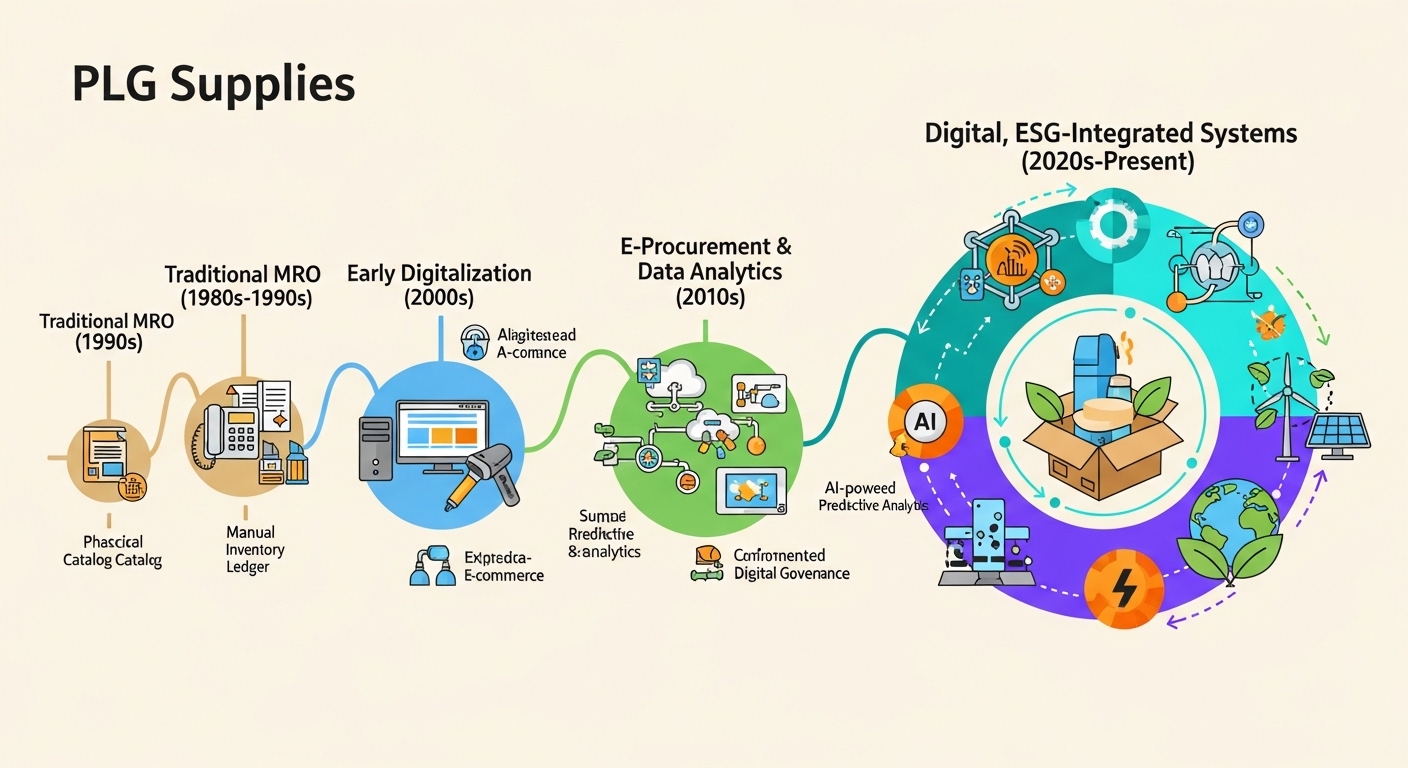
PLG Supplies enable manufacturing and construction teams to cut downtime, boost safety, and achieve measurable cost savings through smarter procurement of tools, PPE, and MRO items. Research suggests companies adopting integrated strategies see downtime reductions of up to 30 percent and procurement cost savings of 15–25 percent in many cases.
Core Elements: PLG Supplies combine industrial-grade physical products with digital tracking to drive operational growth, much like product-led models in other sectors. They cover PPE for immediate worker protection, MRO items for ongoing repairs, and sustainable options that support ESG targets.
Immediate Benefits: Facilities managers report fewer injuries, leaner inventory, and stronger compliance when shifting from reactive buying to proactive systems. Real-world examples include utilities trimming emergency orders by nearly 60 percent after adding predictive tools.
Starting Steps: Begin with a quick inventory audit, consolidate vendors for better pricing, and layer in simple digital tracking for reorder alerts. These actions deliver quick wins without major overhauls.
Choosing the Right Path: Focus on suppliers offering bulk options, ESG certifications, and basic analytics support to align with your team’s goals for efficiency and sustainability.
The Ultimate Guide to PLG Supplies: Streamlining Your Supply Chain offers supply chain managers, procurement officers, facilities managers, and operations leads in manufacturing, engineering, and construction a clear roadmap. You move from traditional buying habits to a Product-Led Growth supply strategy that treats high-quality tools, safety gear, and maintenance items as drivers of efficiency and scalability.
Did you know manufacturing accounts for 15 percent of all workplace injuries even though it employs only 8 percent of the workforce? That statistic hits hard when you consider the human and financial toll. A single close call on the factory floor or construction site can halt production, spike insurance costs, and damage team morale. PLG Supplies change that equation by combining industrial-grade physical materials with modern digital systems that track usage, predict needs, and support ESG goals.
Think of PLG Supplies as the physical counterpart to product-led growth strategies you already see in software. Here the “product” is the reliable wrench set, the certified hard hat, or the predictive maintenance sensor kit that lets your teams self-serve, reduce downtime, and grow operations without constant hand-holding from procurement. The approach bridges everyday MRO needs with inventory auditing, predictive maintenance, and sustainable sourcing so your supply chain becomes a competitive advantage instead of a cost center.
Understanding PLG Supplies
PLG Supplies stand for Product-Led Growth Supplies. They include the essential equipment, tools, and materials that keep facilities running safely and efficiently. Core categories break down like this:
- Hand and power tools such as drills, torque wrenches, and grinders that speed up repairs.
- PPE including gloves, helmets, face shields, respirators, and fall-arrest systems that protect workers every shift.
- MRO products ranging from filters, lubricants, and cleaners to light bulbs and bearings.
- Industrial parts and equipment like valves, hydraulic tools, and fasteners.
- Digital procurement platforms and analytics tools that automate reordering and flag potential stockouts.
These items appear in construction sites, manufacturing plants, engineering workshops, public infrastructure projects, and even healthcare facilities. A Midwest manufacturing plant that switched to coordinated PLG kits, for instance, cut stockouts by 40 percent and gave maintenance crews what they needed without last-minute rush orders.
Why PLG Supplies Matter for Operational Efficiency
Traditional procurement often means scattered suppliers, excess inventory, and surprise downtime. PLG Supplies flip the script. They reduce unplanned stops, lower carrying costs, and improve safety records. Data shows predictive maintenance alone can cut machine downtime by up to 30 percent and extend equipment life by 20 percent. When you pair that with better PPE access, you address the reality that 88 percent of workers already say safety gear is available but many sites still see preventable strains and cuts.
Cost impacts are equally clear. MRO spending typically runs between 0.5 percent and 4.5 percent of revenue, yet poor management leads to duplicate purchases and emergency freight. Facilities that consolidate vendors and adopt centralized tracking often achieve 10–25 percent procurement savings while maintaining or improving uptime. Public utilities provide a strong case: one implemented AI-driven reordering and slashed emergency orders by 60 percent while trimming overall costs by 18 percent in a single year.
Key Categories of PLG Supplies in Action
To make choices easier, here is a practical breakdown of how different industries rely on these supplies:
| Industry | Primary PLG Supplies | Typical Impact |
|---|---|---|
| Manufacturing | MRO kits, bearings, lubricants, power tools | Reduced downtime and leaner production lines |
| Construction | PPE, scaffolding components, cordless drills | Fewer accidents and faster project delivery |
| Engineering & Utilities | Valves, hydraulic tools, meters | Extended asset life and fewer leaks |
| Public Infrastructure | Traffic cones, signage, fall protection | Safer sites and quicker municipal repairs |
| Facilities Management | Cleaners, LED lighting, digital trackers | Lower energy use and streamlined audits |
This table highlights why a one-size-fits-all approach fails. Tailor selections to your dominant risks and growth targets.
Step-by-Step Guide to Implementing a PLG Supplies Strategy
You do not need a complete overhaul to see results. Follow these practical steps:
- Audit current inventory. Walk the storeroom or review purchase history to spot overstock, obsolete items, and frequent emergency buys. Most teams discover 20–30 percent of SKUs sit unused.
- Map critical needs. Separate safety-critical PPE and high-failure MRO parts from everyday consumables.
- Consolidate vendors. Move from dozens of suppliers to a core group that offers volume pricing, ESG options, and digital portals. Popular reliable partners include established distributors known for industrial focus and fast delivery.
- Introduce digital inventory systems. Start with barcode scanning or basic cloud software that tracks usage in real time and sets automatic reorder points.
- Layer in predictive maintenance. Use usage data to forecast part failures before they happen.
- Build ESG criteria into every purchase. Choose recycled nitrile gloves, energy-efficient lighting, and suppliers with transparent carbon reporting.
- Train the team. Show procurement and maintenance staff how shared dashboards cut approval time and prevent maverick spending.
Facilities that complete these steps within three months often report immediate drops in rush orders and clearer budget visibility.
Best Practices for Procurement and Vendor Selection
You might wonder how to pick the right partners without endless RFPs. Focus on four criteria: pricing transparency, delivery reliability, ESG alignment, and technology support. Negotiate service-level agreements that include quarterly scorecards. Ask for proof of bulk discounts, on-site vending options, and integration with your existing ERP.
Avoid the trap of lowest price alone. A slightly higher unit cost from a vendor that guarantees next-day delivery and provides usage analytics often delivers lower total ownership cost. Real teams save by shifting 50–100 percent of MRO spend to tier-one suppliers while keeping a short list of specialists for unique parts.
Integrating Digital Systems and Predictive Maintenance
Digital inventory systems turn reactive buying into proactive planning. Real-time dashboards show stock levels across multiple sites, flag slow movers, and trigger reorders based on actual consumption rather than guesses. When you add predictive analytics, the system examines historical patterns, production schedules, and even external factors like weather or supplier lead times.
Benefits compound quickly. Demand forecasting accuracy can improve by as much as 50 percent. Inventory carrying costs fall because you hold less safety stock. Operational efficiency rises as routes, maintenance schedules, and supplier performance all optimize automatically. One logistics leader used these tools to cut excess storage and speed fulfillment without adding headcount. In manufacturing the same logic prevents a $50,000-per-hour line stoppage by replacing a bearing days before it fails.
Achieving ESG Goals with Sustainable PLG Supplies
Sustainability is no longer optional. Companies with strong ESG practices show 10–15 percent higher profitability on average. Sustainable PLG Supplies make compliance straightforward. Source recycled gloves that cut landfill waste, LED fixtures that slash energy bills, and non-toxic cleaners that protect both workers and waterways.
Track progress with simple metrics: percentage of spend on certified green items, reduction in packaging waste, and supplier diversity scores. Many procurement platforms now include ESG risk scores so you see carbon impact or labor standards at the click of a button. Investors and regulators notice. Your teams feel the difference too when they wear comfortable, high-performance PPE that also meets environmental standards.
Common Mistakes to Avoid
Even experienced leaders slip into these traps:
- Treating supplies as a back-office expense instead of a growth driver.
- Keeping too many vendors and losing volume discounts.
- Ignoring data until a stockout halts production.
- Buying solely on price and sacrificing quality or ESG value.
- Skipping training so digital tools sit unused.
Catch these early with monthly spend reviews and cross-department check-ins.
Next Steps and 3 Key Takeaways
Start small. Pick one high-impact area such as PPE standardization or MRO consolidation and run a 90-day pilot. Measure downtime, injury near-misses, and total spend before and after. Scale what works.
Three key takeaways:
- PLG Supplies turn everyday tools and safety gear into strategic assets that drive efficiency.
- Digital tracking plus predictive maintenance delivers the biggest returns on investment.
- ESG-certified choices improve both compliance and your bottom line.
What is one change you will make today? Audit a single storeroom shelf or schedule a vendor scorecard review? The sooner you act, the faster your supply chain becomes a true growth engine.
You May Also Like: Switching 2nd: A Strategic Framework for Business Growth
Frequently Asked Questions
What exactly are PLG Supplies?
PLG Supplies are Product-Led Growth Supplies: the tools, PPE, MRO items, and digital platforms that let operations teams self-serve and scale efficiently while maintaining safety and sustainability.
How do PLG Supplies differ from standard MRO purchases?
They add predictive analytics, ESG criteria, and centralized tracking so you move from reactive spending to proactive growth.
Can small facilities benefit from PLG Supplies?
Absolutely. Start with basic digital inventory apps and vendor consolidation. Many mid-size plants see 15–20 percent cost reductions within the first year.
What role does predictive maintenance play?
It analyzes usage data to schedule repairs before breakdowns occur, often cutting downtime by 30 percent and extending equipment life.
How do I ensure supplies support ESG goals?
Choose vendors that provide recycled materials, energy-efficient products, and transparent reporting. Track metrics like waste reduction and certified spend percentage.
Which vendors are best for PLG Supplies?
Look for distributors with strong industrial catalogs, fast delivery, volume pricing, and digital tools. Compare options based on your specific industry needs.
How quickly can we expect results?
Most teams notice fewer rush orders and better inventory accuracy within 60–90 days of implementing digital tracking and vendor consolidation.

