
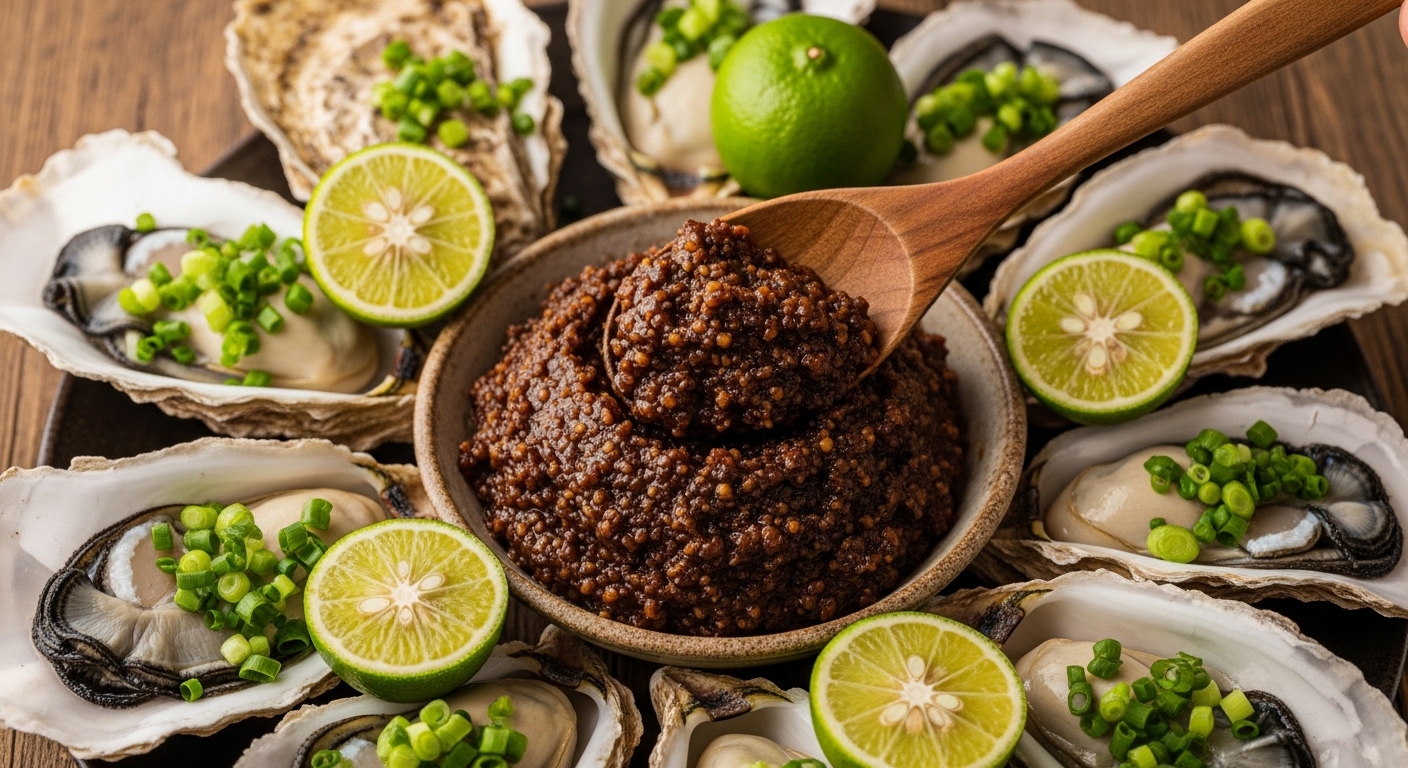
Imagine standing in a bustling night market, the air thick with the scent of sizzling seafood and smoky charcoal. Suddenly, a vendor hands you a simple grilled oyster topped with a mysterious amber paste. One bite, and your palate explodes with a symphony of flavors: deep umami, a whisper of citrus, a gentle, building heat, and an earthy complexity you cannot name. You stop, look down, and ask, “What is that?”
That, my friend, is Tsunaihaiya.
This is not just another condiment. It is a culinary heritage distilled into a paste, a secret weapon for chefs, and the next big fusion trend poised to land in your gourmet pantry. If you are a culinary enthusiast, an adventurous home cook, or a professional chef searching for a new signature flavor, you are about to discover your new obsession. Let’s pull back the curtain on this ancient-meets-modern marvel and find out why it is the ingredient your kitchen has been waiting for.
What Exactly is Tsunaihaiya? Unpacking the Heritage
At its core, Tsunaihaiya is an artisanal, fermented paste that defies simple categorization. While its roots are steeped in specific culinary traditions from coastal regions where preserving the harvest was essential, modern Tsunaihaiya has evolved into a versatile fusion powerhouse.
Think of it as the love child of a high-end fish sauce, a complex spice blend, and a fermented vegetable paste. It is traditionally made using a meticulous fermentation process that combines:
- Botanical extracts from coastal plants and rare herbs.
- Umami-rich ingredients like cured fish, sea kelp, or fermented shellfish.
- A signature spice blend often featuring regional peppers and aromatic roots.
The result is a texture similar to a coarse miso or a wet chutney. It is gritty in a satisfying way, with visible flecks of chili and botanicals suspended in a dark, glossy matrix. The magic of Tsunaihaiya lies in how fermentation transforms these humble components. Over weeks or months, the ingredients break down, creating layers of flavor that you simply cannot replicate with fresh ingredients alone.
The Flavor Profile Analysis: A Symphony for the Senses
To understand Tsunaihaiya, you have to forget everything you know about single-note sauces. This is a flavor profile that demands attention. Let’s break it down using the sensory language we love.
The Aroma
When you open a jar of authentic Tsunaihaiya, the first thing that hits you is the nose. It is pungent, but in a beautiful way. There is a deep, oceanic salinity reminiscent of premium oyster sauce, but it is immediately cut through by a bright, almost grassy note from the botanical extracts. It smells like the sea met a garden after a summer rain.
The Texture & Mouthfeel
Unlike a smooth hot sauce or a thin soy sauce, Tsunaihaiya has body. It clings to food. The texture is granular yet unctuous. As it melts on your tongue, it releases its flavors in waves. You feel the grit of the spices first, followed by the smooth, oily richness of the fermented base. It creates a coating sensation that chefs call “length,” meaning the flavor stays with you long after the bite is gone.
The Taste (The Main Event)
This is where the fusion happens. You get an initial burst of salty, savory umami. Then, just as your palate settles, the heat arrives. However, understanding the heat level of Tsunaihaiya is key. It is not a searing, vinegar-heavy spice. It is a warm, slow-building heat that enhances the other flavors rather than overpowering them. Finally, the finish is slightly sweet and earthy, thanks to the fermentation and botanicals. It is savory, spicy, sweet, and sour all at once, yet perfectly balanced.
Culinary Applications: How to Use Tsunaihaiya in Cooking
So, you have a jar. Now what? This is the fun part. Because Tsunaihaiya is so complex, it acts as a culinary shortcut to depth. You do not need a dozen ingredients to build flavor; you need one tablespoon of this.
1. The Seafood Pairing Guide
This is where Tsunaihaiya truly shines. If you are looking for a tsunaihaiya pairing guide for seafood, consider this your golden rule: it loves fat and it loves smoke.
- Grilled Fish: Brush it onto fatty fish like salmon, mackerel, or tuna steaks during the last minute of grilling. The heat caramelizes the sugars in the paste, creating a crust that is pure heaven.
- Raw Applications: For the adventurous, mix a small dab into ceviche or poke. It replaces the need for salt, citrus, and chili in one go.
- Shellfish: Try the classic night market method. Grill oysters or clams, then top them with a dollop of Tsunaihaiya and a squeeze of lime. The brininess of the shellfish is a perfect match.
2. Beyond Seafood: Meat, Veggies, and Carbs
Do not limit this to the ocean. Tsunaihaiya is a phenomenal meat rub. Mix it with a little oil to create a paste for pork shoulder or chicken thighs. The fermentation helps tenderize the meat while imparting incredible flavor.
For plant-based eaters, this is a game-changer. Roasted vegetables often need a flavor bomb to become exciting. Toss carrots, eggplant, or mushrooms in Tsunaihaiya before roasting. The umami depth gives vegetables a “meaty” quality that is deeply satisfying.
And then there is the ultimate comfort food: Tsunaihaiya butter noodles. Melt butter in a pan, add a spoonful of the paste, toss with pasta, and finish with breadcrumbs. It is the best tsunaihaiya recipe for beginners because it takes five minutes and tastes like a Michelin-starred dish.
A Practical Guide to the Tsunaihaiya Pantry
Bringing this ingredient into your kitchen means understanding how to treat it. Here is a quick breakdown to ensure you get the most out of your investment.
| Aspect | Detail |
|---|---|
| Shelf Life | Unopened, it lasts up to two years. Once opened, store it in the refrigerator. It will keep for 6-8 months due to the fermentation and salt content. |
| Texture | It can separate slightly. Always stir the paste before using to reincorporate the oils and solids. |
| Heat Level | Mild to Medium. The heat is aromatic, not acidic. It is more of a warm tingle than a burn. |
| Best Pairings | Fatty fish, pork, mushrooms, roasted roots, butter, cream, citrus (lemon/lime), and olive oil. |
| Substitutions | There is no perfect sub, but a mix of gochujang (for texture), anchovy paste (for umami), and lemon zest (for botanicals) can approximate it. |
The Health Angle: Benefits of Fermented Ingredients
Beyond the flavor, there is a growing interest in the health benefits of tsunaihaiya ingredients. Because it relies on traditional methods of making tsunaihaiya, specifically fermentation, it is a probiotic-rich food. Fermented foods introduce beneficial bacteria to your gut, aiding digestion.
Furthermore, the botanical extracts often used in premium versions are rich in antioxidants. The primary ingredients are typically low in sugar and rely on natural salts for preservation. While you should use it in moderation due to the sodium content, incorporating fermented condiments like this is a delicious way to support a healthy gut microbiome.
Where to Find It and What to Look For
The hunt is part of the fun. If you are wondering where to buy authentic tsunaihaiya online, you have a few options. Specialty Asian grocers are starting to stock it, often in the refrigerated section near the kimchi and fresh noodles. If you prefer to shop from your couch, several artisanal food marketplaces like Mouth.com or specialty fermentation-focused retailers carry small-batch versions.
When shopping, look for jars that list whole ingredients. You want to see words like “fermented fish,” “sea salt,” “botanical extracts,” and “chili” near the top of the list. Avoid versions with long lists of preservatives or artificial colors. The authentic product should have a natural, dark color and a texture that looks hand-packed.
Why Tsunaihaiya is the Future of Fusion Cuisine
We are currently witnessing a global food trend shift. The era of “fusion” that simply mixed two cultures on a plate is over. Today’s fusion is about integration. It is about finding ingredients like Tsunaihaiya that contain multitudes.
It represents a move toward artisanal condiments that do the heavy lifting for the cook. In a world where home cooks are pressed for time but crave restaurant-quality results, a jar of this paste is a secret weapon. It connects the culinary heritage of coastal fermentation with the modern palate’s desire for bold, umami-rich, complex flavors. It is not just a trend; it is a return to traditional techniques repackaged for the modern gourmet.
3 Tips to Try Today
Ready to dive in? Here is your action plan to start experimenting.
- The Taste Test: Buy a jar and taste it plain. Put a tiny dab on the back of your hand. Close your eyes. Identify the salt, the heat, the funk, and the botanicals. This will tell you exactly what dishes it will elevate.
- The Butter Trick: Make Tsunaihaiya compound butter. Mix 4 tablespoons of softened butter with 1 tablespoon of the paste. Roll it in plastic wrap and chill. You now have a finishing butter for steaks, corn on the cob, or toast that will impress anyone.
- The Marinade: Take your protein of choice (chicken thighs, tofu, or shrimp) and mix it with 2 tablespoons of Tsunaihaiya and a splash of rice vinegar. Let it sit for 30 minutes. Cook it. Notice how the flavor penetrates deeper than a standard marinade. That is the fermentation working.
Conclusion
Tsunaihaiya is more than a condiment; it is a culinary story. It tells the tale of coastal artisans who perfected fermentation over centuries, and it invites you, the modern cook, to carry that story forward in your own kitchen. Whether you are dabbing it on a grilled oyster, whisking it into a salad dressing, or using it as a rub for a Sunday roast, this ingredient promises to deliver depth, intrigue, and a whole lot of flavor.
We are standing on the cusp of a new fusion movement, and it is being led by the humble jar. So, go ahead. Find it, open it, and take a taste. Your palate will thank you.
Have you tried Tsunaihaiya yet? I would love to hear about your first experiment. Share your creations or your burning questions in the comments below.
You May Also Like: How to Master the Calamariere Style: Tips for Perfect Mediterranean Squid
Frequently Asked Questions
Is Tsunaihaiya extremely spicy?
No. While it contains chili, understanding the heat level of Tsunaihaiya is important. It is typically a mild to medium heat that is more aromatic and warming than aggressively spicy. It adds warmth rather than just burning the palate.
Can vegans find a Tsunaihaiya that fits their diet?
Yes. While traditional versions often use fish or shellfish for umami, modern artisanal producers are creating vegan versions using fermented mushrooms, seaweed, and miso to replicate the depth of flavor. Always check the label for “vegan” or “plant-based” certifications.
How do I store Tsunaihaiya after opening?
Always keep it refrigerated. Because it is a fermented product, it is shelf-stable until opened. Once you break the seal, store it in the fridge where it will maintain optimal flavor for about 6 to 8 months.
What if I can’t find it locally?
If your local grocery store doesn’t carry it, focus your search on where to buy authentic tsunaihaiya online. Specialty food websites, fermentation-focused retailers, and large online marketplaces typically have several brands available for shipping.
What is a good beginner recipe?
The best tsunaihaiya recipes for beginners usually involve fat and heat. Try mixing a spoonful into macaroni and cheese or melting it into butter to toss with roasted potatoes. These applications allow you to control the intensity while experiencing the complex flavor.
Does it have any health benefits?
Yes. The health benefits of tsunaihaiya ingredients stem from the fermentation process, which can introduce probiotics to your diet. The botanical extracts and peppers also provide antioxidants. However, it is a condiment, so it should be used in moderation as part of a balanced diet.
Can I use Tsunaihaiya as a direct substitute for miso or gochujang?
Not directly, but it can be used in similar ways. While miso is purely fermented soy, and gochujang is fermented chili paste, Tsunaihaiya combines the funk of miso, the heat of gochujang, and the umami of fish sauce. Use it when you want a more complex, all-in-one flavor profile.