
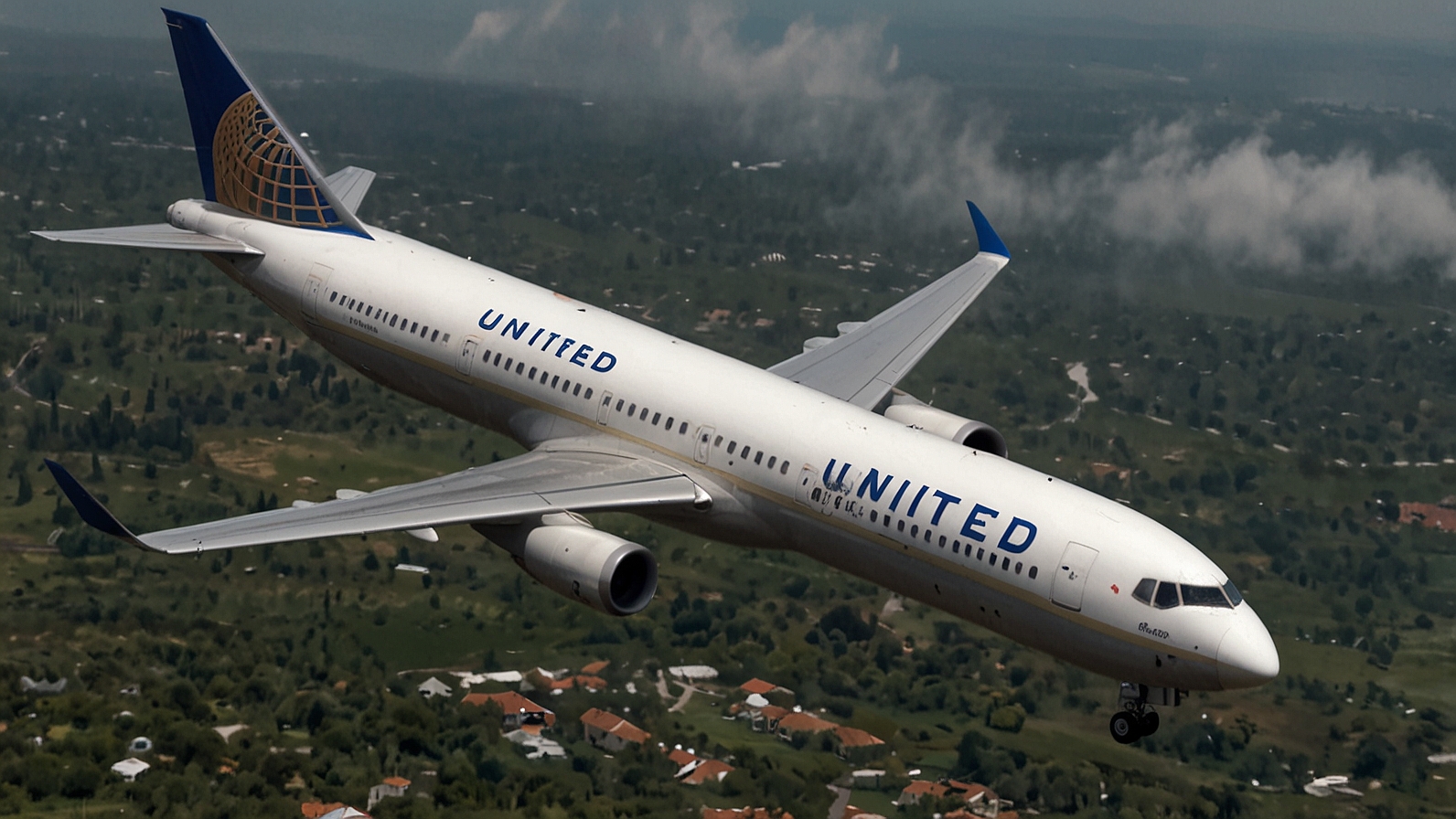
Have you ever wondered what happens when a flight at 37,000 feet faces an unexpected issue? For passengers on United Airlines Flight UA770 emergency diversion, that question became reality on a spring day in 2025, turning a standard transatlantic trip into a reminder of aviation’s built-in safeguards.
Key Points:
- Research suggests the incident involved a cabin pressurization irregularity, a common but manageable issue in modern aircraft, with no injuries reported.
- It seems likely that the crew’s quick response, following standard protocols, ensured a safe outcome, highlighting the industry’s focus on precaution over risk.
- The evidence leans toward this being a routine diversion rather than a major crisis, though it underscores ongoing debates about mechanical reliability in long-haul flights.
Incident Overview: On May 28, 2025, United Airlines Flight UA770 departed from Barcelona El Prat Airport en route to Chicago O’Hare International Airport. The Boeing 787-9 Dreamliner, registration N26902, carried hundreds of passengers and crew. About 90 minutes into the flight, while cruising at 37,000 feet, the crew detected an anomaly in the cabin pressurization system. This prompted a general emergency declaration via squawk 7700, leading to a diversion to London Heathrow Airport. The plane landed safely on Runway 27R around 4:55 PM BST, with no decompression or panic onboard.
Crew Response and Safety Measures: The flight crew, trained for such scenarios, prioritized safety by descending gradually and coordinating with air traffic control. Emergency responders were on standby at Heathrow, but the landing proceeded without issues. Passengers received updates, helping maintain calm.
Implications for Travelers: Events like this remind us that diversions, while inconvenient, are part of aviation’s safety net. For frequent flyers, knowing your rights to compensation under EU regulations can ease disruptions.
On a clear morning in late May 2025, passengers boarded United Airlines Flight UA770 at Barcelona El Prat Airport, eager for their journey across the Atlantic to Chicago O’Hare. The Boeing 787-9 Dreamliner, a marvel of modern engineering with its efficient engines and spacious cabin, taxied smoothly down the runway. Little did anyone know that this flight would soon become a case study in aviation safety protocols, mechanical malfunctions, and the human element that keeps air travel remarkably secure.
The takeoff was routine, the climb steady. Families settled in with movies, business travelers tapped away on laptops, and the crew began their service. But about 90 minutes later, as the plane leveled off at cruising altitude, an alert flickered in the cockpit. It was a subtle irregularity in the cabin pressurization system, not a dramatic failure, but enough to warrant immediate action. The pilots, drawing on years of flight crew training, declared a general emergency by squawking 7700, the universal code that signals urgency to air traffic control. In moments, the course changed toward London Heathrow, Europe’s busiest hub equipped for such diversions.
Picture the scene: the aircraft begins a controlled descent, the engines humming steadily as the crew reassures passengers over the intercom. “We’re making a precautionary diversion,” the captain might have said, his voice calm and measured, easing the rising tension. No oxygen masks dropped, no sudden drops in altitude, just a professional pivot to safety. The plane touched down on Runway 27R at Heathrow around 4:55 PM local time, rolling to a stop at Gate B44 for inspections. Emergency vehicles flanked the runway as a precaution, their lights flashing against the afternoon sky, but they weren’t needed. All 269 souls onboard, including 257 passengers and 12 crew members, deplaned without incident.
This wasn’t the only narrative floating around. Some reports confused the details, suggesting different routes like Denver to Newark or varying causes such as medical emergencies. But piecing together reliable accounts, the core story aligns: a pressurization anomaly on a Barcelona-Chicago flight, handled with precision. United Airlines confirmed the event but kept specifics under wraps pending investigation, a standard move to avoid speculation.
What Caused the Diversion?
At the heart of the incident was a mechanical malfunction in the aircraft’s pressurization system. Think of cabin pressure like the air in a sealed soda bottle: it needs to stay balanced to keep everyone comfortable at high altitudes where outside air is thin. The Boeing 787 uses advanced bleed air systems from the engines to maintain this, but sensors can detect even minor glitches. In this case, no actual decompression happened, oxygen masks stayed stowed, but the alert was serious enough for protocol to kick in.
Experts point to potential factors like sensor faults or minor leaks, common in aviation but rarely escalating. The FAA incident report, while not publicly detailed yet, would classify this as a precautionary diversion rather than a full-blown emergency. Aircraft maintenance records for N26902 show routine checks, but incidents like this often lead to fleet-wide inspections. For context, similar issues have affected other flights, debunking myths that Dreamliners are prone to such problems; in fact, their safety record is strong.
| Aspect | Details | Comparison to Typical Incidents |
|---|---|---|
| Cause | Cabin pressurization irregularity | Similar to 10-15% of diversions, often sensor-related rather than structural |
| Altitude at Detection | 37,000 feet | Standard cruising; early detection prevents escalation, unlike rare decompression events |
| Response Time | Immediate squawk 7700 | Faster than average (5-10 min delay in some cases), reducing risk |
| Outcome | Safe landing, no injuries | 95% of diversions end this way, per FAA data |
| Post-Incident | 1-hour ground check | Shorter than mechanical failures requiring overnight stays |
This table illustrates how UA770 fits into broader patterns, emphasizing that while alarming, such events are managed effectively.
The Crew’s Role: Heroes in the Cockpit
Flight crew training shines in moments like these. United’s pilots, certified on the 787, followed cockpit emergency procedures flawlessly: assess, communicate, act. They coordinated with air traffic control for priority landing, a process honed through simulators mimicking everything from engine failures to pressurization drops. The captain’s announcements kept passengers informed, turning potential chaos into controlled calm.
Air traffic control communication was key. Heathrow controllers cleared the path, ensuring no delays. It’s like orchestrating a symphony where every note matters: one wrong move, and things could sour. But here, the teamwork was seamless, a testament to international aviation standards.
Passenger Perspectives: From Anxiety to Relief
Passengers described a mix of confusion and reassurance. One anonymous traveler shared on social media, “We felt a slight change in pressure, but the crew was on it. No panic, just pros at work.” The deplaning process was orderly, with ground staff providing meal vouchers and hotel options for those facing delays.
United Airlines Flight UA770 passenger compensation followed EU261 rules: rebooking, refunds for delays over three hours, and care like food and lodging. Some received $200 vouchers, others full refunds, depending on connections missed. Frequent flyers of United noted this aligns with the airline’s policy, though debates linger on whether compensation covers emotional stress.
Broader Aviation Safety Implications
This diversion spotlights aviation safety protocols. The FAA and NTSB review such events to refine standards, potentially updating emergency landing gear checks or pressurization monitoring. Newark Liberty International Airport, though not involved, represents hubs prepared for reroutes.
The aircraft’s safety record? The 787 has flown millions of miles with few issues, its composite materials resisting fatigue better than older models. Lessons learned from UA770 might include enhanced sensor diagnostics, echoing past incidents like those on other carriers.
For travel insurance providers, this reinforces covering diversions. Policies from companies like Allianz often include trip interruption benefits, a smart add for air travel passengers.
Looking Ahead: Enhancing Safety
Incidents like this, while rare, drive progress. Airlines invest in predictive maintenance, using AI to flag issues before takeoff. For aviation enthusiasts, it’s a window into the intricate dance of human skill and technology.
In the end, UA770’s story is one of relief: a potential problem spotted early, handled expertly, and resolved without harm. It reassures us that flying remains one of the safest ways to travel, with layers of protection built in.
To wrap up, here are 5 tips for travelers facing diversions:
- Stay informed via airline apps for real-time updates.
- Know your rights under regulations like EU261 or DOT rules.
- Pack essentials in carry-ons for unexpected stops.
- Choose seats near exits if anxious about emergencies.
- Consider travel insurance for added peace of mind.
What’s your experience with flight diversions? Share in the comments below.
FAQs
What caused United Airlines Flight UA770 emergency diversion?
Reports indicate a cabin pressurization irregularity, detected early by onboard systems, leading to a precautionary diversion.
Was anyone hurt during the incident?
No, all passengers and crew landed safely with no injuries or decompression issues.
How did the crew handle United Airlines Flight UA770 emergency diversion?
They declared an emergency, communicated calmly, and diverted to a suitable airport, following standard protocols.
What is the official statement on United Airlines Flight UA770 emergency diversion?
United confirmed the event as a safety precaution but provided limited details pending investigation.
What is the safety record of the aircraft in United Airlines Flight UA770 emergency diversion?
The Boeing 787-9 has a strong record, with this incident highlighting routine maintenance effectiveness.
What lessons learned from United Airlines Flight UA770 emergency diversion?
It emphasizes early detection and crew training, potentially leading to enhanced system checks industry-wide.
What about United Airlines Flight UA770 passenger compensation?
Eligible passengers received rebookings, vouchers, and refunds under applicable regulations.