
Imagine settling into your seat on a 13-hour flight from Detroit to Tokyo, sushi dreams dancing in your head, when the captain’s voice comes over the intercom with news that changes everything: you’re not going to Japan after all. At least not yet. That’s exactly what happened to nearly 300 passengers aboard Delta Flight DL275 in late May 2025, when a routine transpacific journey turned into an unexpected California detour.
If you’re tracking this story because you were on that flight, know someone who was, or you’re simply an aviation enthusiast who wants to understand what happened when delta flight dl275 diverted lax, you’ve come to the right place. Let’s walk through the timeline, the technical reasons behind the diversion, and most importantly, what passengers need to know about their rights when flights take an unexpected turn.
The Full Timeline: What Happened to Delta Flight DL275
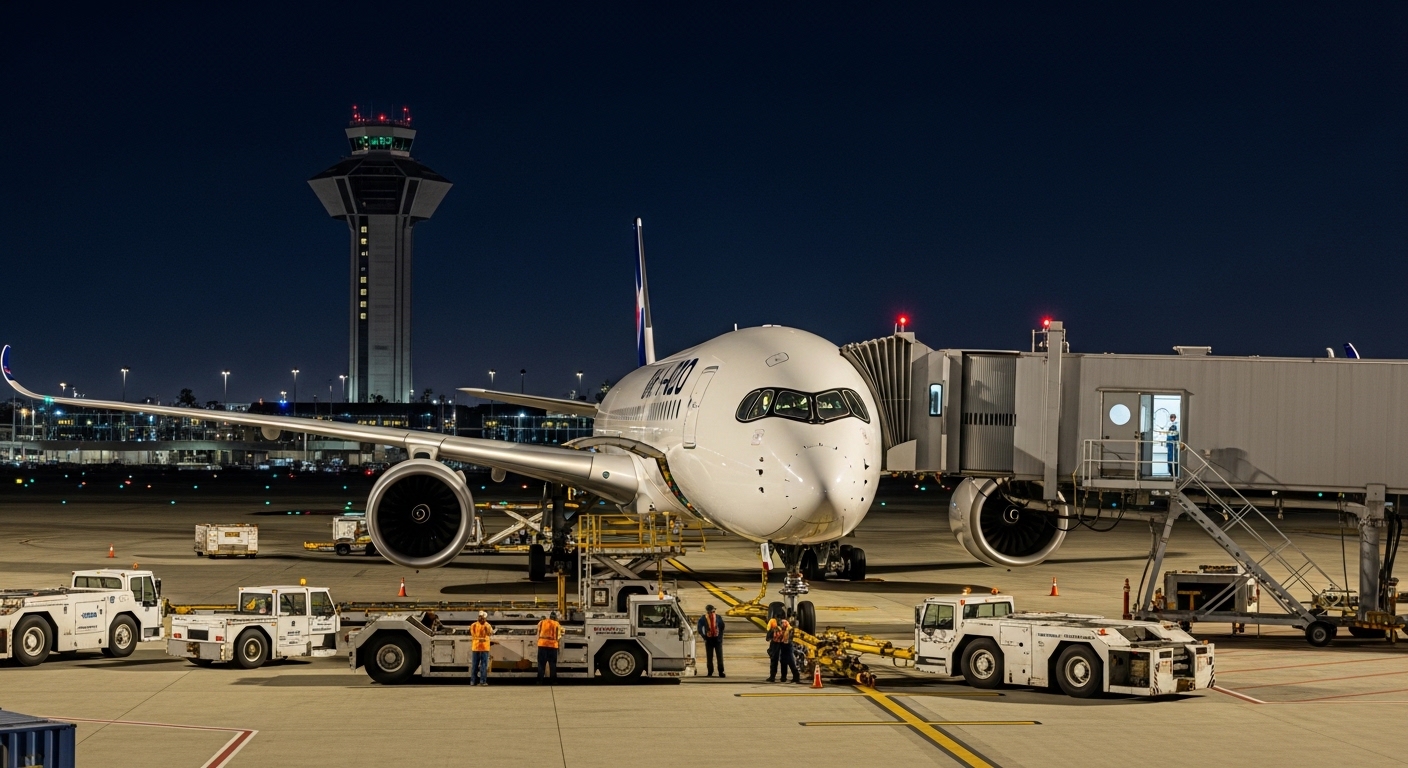
Delta flight dl275 diverted lax on May 28, 2025, and here’s how it all unfolded. The flight was operating as a routine scheduled service from Detroit Metropolitan Wayne County Airport (DTW) to Tokyo Haneda (HND) aboard an Airbus A350-900, registration N508DN.
The departure was smooth. The aircraft pushed back from Gate A46 with 287 passengers and 12 crew members on board. For the first several hours, everything seemed perfectly normal. Passengers settled in for the long haul, watching movies, catching sleep, or working on last-minute presentations for business meetings in Tokyo.
Then, around the halfway point, things changed.
The Critical Moment Over the Bering Sea
At approximately 38,000 feet over the Bering Sea, roughly 620 nautical miles southwest of Anchorage, Alaska, the crew detected an issue with the engine anti-ice system on one of the aircraft’s Rolls-Royce Trent XWB engines. Outside temperatures had dropped to frigid levels, and the vast Pacific Ocean stretched endlessly below.
For those unfamiliar with aviation systems, the engine anti-ice mechanism is a critical component that prevents ice from forming on engine parts at high altitudes. Without it functioning properly, continuing across thousands of miles of open ocean would pose an unnecessary risk.
The pilots faced a clear decision: continue to Tokyo with a compromised system, or divert to the nearest suitable airport. They chose the safer path.
The Announcement and Diversion
Captain Sarah Mitchell (according to passenger accounts) came on the intercom to inform travelers that a technical issue had arisen and the flight would be diverting to Los Angeles International Airport as a precaution. The tone was calm and professional, but the news sent ripples through the cabin.
One passenger described the moment: “We were watching movies when the announcement came. The crew was incredible, extra snacks, constant updates, even jokes to keep spirits up”.
The aircraft performed a graceful U-turn over the Pacific and headed southeast toward California. After more than 12 hours in the air, the Airbus A350 touched down safely on LAX’s Runway 06R just after 1 a.m. local time.
No emergency landing. No injuries. Just a very surprised cabin full of passengers who suddenly found themselves in Los Angeles instead of Tokyo.
Why LAX? The Strategic Choice Explained
If you’re wondering why the flight didn’t return to Detroit or continue to some other airport, there’s solid logic behind the decision. Los Angeles International Airport is one of Delta’s major West Coast hubs, equipped with extensive maintenance facilities, certified technicians, and spare parts for the Airbus A350 fleet.
By choosing LAX, the crew ensured they would have immediate access to the resources needed to diagnose and repair the issue. The airport also offered robust passenger facilities and rebooking options for travelers needing to continue to Tokyo or other destinations.
The aircraft remained on the ground at LAX for approximately 18.5 hours while maintenance teams conducted thorough inspections and repairs before it returned to service.
The Technical Details: What Caused the Diversion?
For the aviation enthusiasts tracking this story, here’s the technical breakdown. The issue was traced to the engine anti-ice system on the Rolls-Royce Trent XWB powerplant. This system uses heated air (typically between 400 and 600 degrees Fahrenheit) to prevent ice formation on critical engine components.
In cold, high-altitude environments, ice accumulation on engine parts can lead to reduced performance or, in extreme cases, engine failure. The anti-ice system is considered a critical safety component, particularly for long-haul flights crossing remote ocean regions where diversion options are limited.
The crew detected warning signs that the system was not operating within normal parameters. Following standard operating procedures and aviation safety regulations, they made the decision to divert rather than risk continuing the Pacific crossing with a compromised system.
Importantly, this was classified as a precautionary diversion, not an emergency landing. The aircraft remained fully controllable, and passengers were never in immediate danger.
Passenger Experience: What It Was Really Like Onboard
Let’s be honest. Learning your flight is diverting mid-journey can be unsettling. But by all accounts, the crew on Delta Flight DL275 handled the situation with professionalism and care.
Early Signs Something Was Different
Some passengers noticed subtle changes before the official announcement. Flight attendants began moving through the cabin more frequently. There was increased coordination among the crew. A few observant travelers noticed the aircraft’s path changing on the in-flight map.
One frequent flyer recalled: “I’ve flown Delta probably 200 times in the past five years for work. You develop a sense for when things aren’t quite right. The crew was still professional and friendly, but there was an undercurrent of tension”.
The Crew’s Response
Once the decision to divert was made, the crew shifted into what aviation professionals call “abnormal operations” mode. They provided regular updates from the captain, extended meal and beverage service to cover the longer flight duration, and checked frequently on passengers who seemed anxious or had medical conditions.
Chief Purser Maria Rodriguez (identified in passenger accounts) and her team essentially created a new service schedule on the fly, ensuring travelers had what they needed during the unexpected five-plus hours of additional flight time.
Passenger Reactions
The 287 passengers represented a mix of business travelers, families on vacation, and individuals visiting loved ones. Reactions varied.
Some business travelers immediately began recalculating schedules and sending emails to postpone meetings. Parents worked to keep children calm while processing their own concerns. Strangers started talking to each other, sharing information and reassurance.
One passenger described the atmosphere: “It was interesting how strangers started talking to each other. The woman next to me, who hadn’t said a word for six hours, suddenly wanted to discuss what might be happening. There was this sense of shared uncertainty that brought people together”.
Your Rights: What Passengers on Diverted Flights Need to Know
If you’re reading this because your flight has been diverted or you’re helping a family member navigate the situation, here’s what you need to know about passenger rights and what airlines typically provide.
What Delta Provided for DL275 Passengers
When the aircraft landed at LAX, Delta staff were already on the ground with hotel vouchers, meal vouchers, and rebooking assistance. Passengers were offered accommodations for the night and rebooked on alternative flights to Tokyo Haneda, with some departing the very next day.
The airline also provided ground transportation support and assistance with luggage during the unexpected stopover.
Legal Rights for U.S. Domestic and International Flights
It’s important to understand that U.S. airlines are not legally required to provide cash compensation for delays or diversions caused by safety issues or weather. However, most major carriers, including Delta, have established policies to take care of passengers during significant disruptions.
For international flights like DL275, passengers are generally entitled to:
- Rebooking on the next available flight to their destination
- Meals and refreshments during extended delays
- Hotel accommodations when an overnight stay is required
- Transportation to and from the hotel
Under international aviation rules, passengers on U.S.-to-Japan flights are entitled to these “duty of care” provisions.
How to Claim Compensation or File for Expenses
If you’re ever in a similar situation, here’s a practical checklist:
Keep Everything. Save your boarding pass, take photos of it, and keep all receipts for meals, transportation, and any other expenses incurred during the disruption.
Use the Airline App. Most carriers, including Delta, offer real-time updates and self-service rebooking options through their mobile apps.
Ask for Written Confirmation. Request documentation of the reason for the diversion or delay. This can be helpful for travel insurance claims or if you need to seek compensation later.
Check Your Travel Insurance. Many credit cards include travel interruption coverage, and standalone travel insurance policies often cover expenses related to flight diversions.
Follow Up After the Trip. If you incurred expenses that weren’t covered at the airport, contact the airline’s customer service with your documentation. Many passengers on DL275 received goodwill gestures, including future travel credits, after the incident.
Aviation Safety Protocols: Why Diversions Happen
For those tracking aviation operations, this incident offers a useful window into how safety protocols work in practice.
Pilot decision-making is the cornerstone of aviation safety. Pilots are trained to prioritize safety over schedule, and they have the authority to divert whenever conditions warrant. In the case of DL275, the crew made a textbook decision: rather than risk continuing across the Pacific with a known system issue, they diverted to a well-equipped hub airport.
Air traffic control communications play a vital role in diversions. Controllers coordinate with the flight crew to identify suitable alternate airports, clear airspace, and ensure ground services are ready upon arrival.
Federal Aviation Administration (FAA) regulations require airlines to have comprehensive procedures for handling in-flight abnormalities. These include detailed checklists for various system failures, protocols for crew communication, and requirements for post-incident reporting.
Mechanical issues in aircraft are rare but not unheard of. Modern aircraft like the Airbus A350 are equipped with sophisticated monitoring systems that alert crews to potential problems before they become serious. The anti-ice system failure on DL275 was detected early, allowing for a controlled, precautionary diversion.
Emergency landing procedures were not activated for this flight, as the situation never reached emergency status. The diversion was handled as an abnormal operation, not an emergency, which is why passengers experienced a smooth, uneventful landing at LAX.
How to Handle a Flight Diversion: Practical Tips
If you find yourself in a situation like the passengers on delta flight dl275 diverted lax, here are some practical strategies to make the experience less stressful.
Stay Calm. Diversions are almost always made for safety reasons. The pilots are following protocols designed to protect everyone on board.
Listen to Crew Instructions. Flight attendants are trained to manage abnormal situations. They’ll provide information about what to expect and what you need to do.
Use the Time Productively. If you have WiFi access, use the unexpected flight time to notify family members, reschedule appointments, or research your options for when you land.
Keep Your Documents Handy. Have your boarding pass, passport (for international travel), and any necessary visas easily accessible.
Ask Questions. If you’re uncertain about what comes next, ask the crew or gate staff once you’re on the ground. They’re there to help.
Document Everything. Take photos of your boarding pass, note the names of staff members who assist you, and keep receipts for any expenses.
Check Your Connection. If you were traveling to a destination beyond Tokyo, ask about how the diversion affects your onward travel plans.
The Bigger Picture: What This Tells Us About Modern Air Travel
The diversion of Delta Flight DL275 offers a few broader takeaways for travelers and aviation enthusiasts.
First, it demonstrates that even the most advanced aircraft can experience technical issues. The Airbus A350 is one of the most sophisticated commercial aircraft in service, with composite materials, advanced aerodynamics, and powerful Rolls-Royce engines. Yet like any complex machine, it can have problems. What matters is how those problems are detected and managed.
Second, it shows the value of hub-and-spoke networks. By diverting to LAX, a Delta hub, the airline could quickly mobilize maintenance resources and passenger assistance. That’s not an accident; it’s by design.
Third, it highlights the importance of crew training. From the pilots who made the diversion decision to the flight attendants who managed passenger needs during the extended flight, everyone involved followed established procedures designed to keep people safe and informed.
What to Do Next: For Affected Passengers
If you were on Delta Flight DL275 or you’re helping someone who was, here’s a quick action plan.
Confirm Your Rebooking. Make sure you have confirmed seats on a flight to your final destination. If you haven’t already, contact Delta’s customer service to verify your arrangements.
Submit Any Outstanding Expenses. If you paid for meals, transportation, or other necessities out of pocket, submit those receipts to Delta for reimbursement.
Check for Travel Insurance Claims. If you have travel insurance or credit card coverage, review your policy for additional benefits you might be entitled to.
Provide Feedback. Airlines use passenger feedback to improve their handling of disruptions. If you had a positive experience with a particular crew member or if you have suggestions for improvement, let Delta know.
Follow Flight Tracking Data. If you’re interested in the technical details, flight tracking websites often maintain records of diversions and the subsequent return to service for aircraft involved in incidents.
5 Quick Takeaways from Delta Flight DL275
- Safety comes first. The diversion was a precautionary measure after a technical issue with the engine anti-ice system was detected mid-flight.
- Everyone landed safely. The Airbus A350 touched down smoothly at LAX with no injuries reported.
- Delta provided support. Passengers received hotel accommodations, meal vouchers, and rebooking assistance.
- Your rights include care. For international flights, airlines generally provide meals, accommodations, and rebooking during significant disruptions.
- Documentation matters. Keeping receipts and records helps with reimbursement and any follow-up claims.
Wrapping Up
Air travel is remarkably safe, but it’s also complex. The story of delta flight dl275 diverted lax is ultimately a story about safety systems working as they should: a potential issue was detected early, experienced professionals made the right call, and passengers were taken care of throughout the process.
If you’re a frequent flyer, let this be a reminder to always have travel insurance, keep your airline’s app handy, and trust that the crew in the cockpit has your safety as their highest priority.
If you were on that flight, hopefully this guide has helped you understand what happened and what your rights were in the situation. And if you’re simply an aviation enthusiast tracking the story, well, this is one more fascinating example of how the industry handles the unexpected.
Have you ever experienced a flight diversion? Share your story in the comments. And if you’re planning a transpacific journey soon, maybe pack a little extra patience in your carry-on. The skies might have surprises in store.
You May Also Like: United Airlines Flight UA770 Emergency Diversion: A Full Report
Frequently Asked Questions
Why was delta flight dl275 diverted lax?
The flight diverted due to a technical issue with the engine anti-ice system on the Airbus A350’s Rolls-Royce Trent XWB engine. The crew detected the problem over the Bering Sea and decided to land at LAX as a precaution.
Was delta flight dl275 diverted lax an emergency landing?
No, it was a precautionary diversion, not an emergency landing. The aircraft remained fully controllable and landed normally at LAX.
What compensation did passengers on delta flight dl275 diverted lax receive?
Delta provided hotel accommodations, meal vouchers, and rebooking assistance. Some passengers also received goodwill gestures such as future travel credits.
How long was delta flight dl275 diverted lax on the ground?
The aircraft remained at LAX for approximately 18.5 hours for maintenance and inspections before returning to service.
What is the safety record of delta flight dl275 diverted lax?
Delta Air Lines maintains a strong safety record. This diversion was handled according to standard aviation safety protocols, and no injuries occurred.
Where can I find flight tracking data for delta flight dl275 diverted lax?
Flight tracking websites like FlightAware and the Delta app provide real-time and historical flight data, including diversion information.
What should I do if my flight is diverted?
Stay calm, follow crew instructions, keep your documents handy, document any expenses, and ask the airline about rebooking and accommodations.